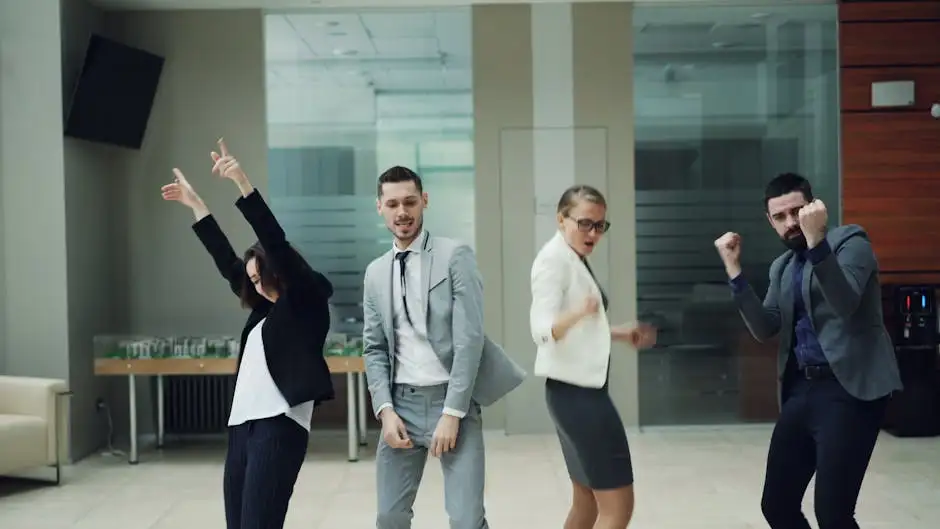

Here's something I've noticed after years of planning retreats across Italy, Spain, and Portugal: the activity that looks best in a proposal deck is almost never the one people talk about on the flight home.
What they remember is the afternoon nobody planned perfectly. The wine-pressing session in Tuscany that ran long because your CFO got competitive. The Umbrian cooking class that turned into a two-hour argument about salt. The moment when someone from accounting and someone from product finally understood each other: not because of a facilitated debrief, but because they were elbow-deep in pasta dough together.
That's the thing about team-building activities: the best ones don't feel like team-building at all. They feel like genuine moments. Collaboration happens as a byproduct of doing work that's physical and tangible, with stakes that matter even if only temporarily.
This guide is about choosing activities that work, integrating them into a retreat schedule without burning people out, and figuring out whether any of it stuck once everyone's back at their desks.
Why Most Team-Building Falls Flat
Before getting into what works, it's time to spend a moment on what doesn't.
The trust fall is dead. Everyone knows it. But the corporate equivalent (the forced icebreaker, the personality-type exercise that eats three hours, the "let's go around the room and share one fun fact") is still very much alive, producing the same eye-rolls it always has.
The problem with most team-building isn't the concept. It's context. Pulling people out of their normal environment and then handing them artificial tasks that feel nothing like work doesn't produce lasting behavioral change. Research from the Center for Creative Leadership consistently shows that learning works best when it connects to the challenges a team faces, not manufactured scenarios.
Smaller groups have a clear advantage here. With 24 or fewer people, you can get granular: designing activities around team dynamics, friction points, communication gaps. You're not herding 80 people through a generic ropes course and hoping it lands.
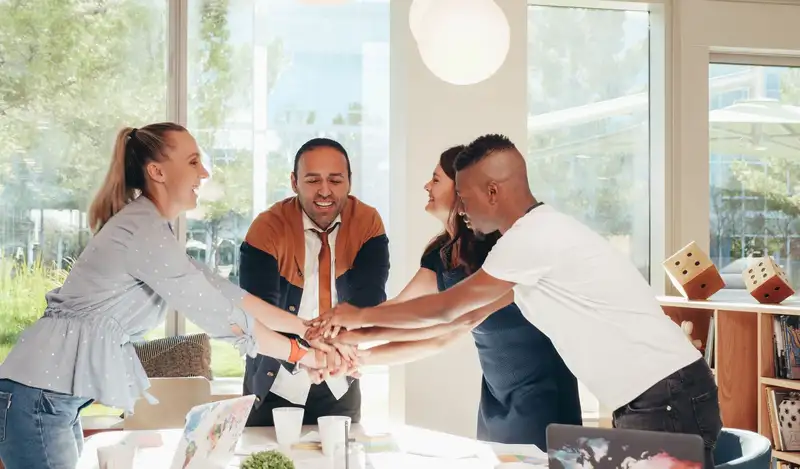
A Framework for Choosing the Right Activities
Not every activity fits every group. Before selecting anything, answer these four questions:
What's the core problem? A team that doesn't trust each other needs one approach; a team that trusts but can't make decisions needs another. A leadership group that's been remote for three years needs a different approach from a team that sits together daily but never really connects. Be honest about the diagnosis.
How's everyone's energy? Day one of a retreat is nothing like day three, and a morning session plays out differently than post-dinner. High-energy activities tend to land better mid-retreat, once people have settled in but haven't yet hit the wall.
Who's in the room? Seniority mix matters more than most planners acknowledge. If you've got C-suite executives alongside junior managers, choose activities where hierarchy flattens on its own. Competitive formats can reinforce existing power dynamics, while collaborative ones tend to dissolve them.
What does the setting offer? This is where European retreats have a structural advantage. A villa in Umbria, a finca outside Barcelona, a quinta in the Douro Valley: these environments do half the work before you've planned a single activity. The place itself signals: something is happening here, pay attention.
Activities That Actually Work
Culinary Challenges
Cooking together is the most consistently effective team-building format I've encountered. Full stop.
It requires every skill that matters in a workplace: communicating under mild pressure, dividing tasks, adapting when things go wrong. You can't fake your way through making fresh pasta for sixteen people. Someone has to lead, someone has to follow, and the group has to negotiate in real time.
In Italy, a cooking class anchored to regional tradition (hand-rolling pici in Siena, preparing a proper ribollita in Florence) adds cultural weight. People aren't just learning to cook, they're connecting to traditions that matter to locals, which tends to produce curiosity and conversation rather than performative engagement.
For groups working through understanding Italian meal culture, there's an added layer worth noting. Italian food culture is relational at its core. Meals are slow, conversation isn't optional, the table is a social structure rather than just a place to eat. Experiencing that directly tends to shift how groups interact during the meal that follows.
Best for: Cross-functional teams, newly formed groups, senior leadership teams that need to reconnect as people rather than titles.
Group size sweet spot: 8-20. Push past 20 and it becomes a spectator sport for some participants.
Outdoor and Physical Challenges
These work best when they're tied to the actual place. A hike through the Cinque Terre isn't just exercise; it's a shared physical moment in a remarkable environment that gives people years of reference afterward.
Cycling through Tuscany. Kayaking off the Dalmatian coast. A guided walk through the Douro Valley during harvest. None of these are manufactured challenges; they're activities with terrain and weather that matter. Groups have to adapt, pace themselves, look out for one another. The facilitation overhead is low, the shared memory is lasting, and for teams that spend most of their time staring at screens, the contrast is almost jarring in the best way.
One thing to avoid: anything that produces winners and losers in ways that map onto existing workplace hierarchies. A competitive relay race where the people who already hold power tend to win isn't breaking down barriers, it's reinforcing them.
Creative and Cultural Projects
These are underused. Most planners default to active formats and skip anything requiring creative investment, which is a missed opportunity.
Consider a group spending an afternoon in a ceramics studio in Deruta, working alongside local artisans, producing something imperfect and handmade. There's a specific kind of vulnerability in that moment that most workplaces never create space for. You have to try something you're probably not good at, accept imperfection, ask for help from someone who knows more than you do.
That's not a metaphor for leadership. It IS leadership, experienced directly.
Photography walks, sketching sessions, wine blending with a local vigneron: all of these produce artifacts the group can take home, reference later, and connect back to the retreat itself.
Problem-Solving and Strategy Games
For leadership teams, a well-designed problem-solving activity can surface real dynamics in a low-stakes setting.
City-wide treasure hunts (well-designed ones, not generic app-based versions) work because they require the group to self-organize, allocate resources, and make decisions without complete information. That's exactly what leadership teams do every day. In Barcelona's Gothic Quarter or Rome's Trastevere, the setting adds friction and richness that makes the exercise feel grounded rather than contrived.
Escape rooms get overused, but the underlying principle is sound: a clear goal, a time constraint, information distributed unevenly across the group. The debrief is where the value lives. What did you notice about how decisions got made? Who spoke first? Who held back, and why?
Harvest and Agricultural Experiences
This category is specific to certain European destinations, and it's unlike anything available in a typical U.S. corporate context.
Harvesting wine grapes in Tuscany and then pressing them (actually pressing them, working an old wine press alongside the people who do it every year) produces an understanding of collective effort that no workshop can replicate. The work is physical, repetitive, and requires coordination. The result, months later when wine arrives at the office, is a tangible artifact of effort shared.
I've watched groups return to work with a bottle they made together and use it as a reference point for months. "Remember when we were all covered in grape juice and Martinez somehow ended up in the tank?" That's the kind of story that becomes part of a team's identity, and it didn't come from a slide deck.
How to Integrate Activities Into Your Schedule
The most common mistake is overprogramming. You've flown a group to Tuscany or Lisbon, you've paid for a beautiful venue, and you feel pressure to fill every hour with value worthy of the investment.
Resist that.
Harvard Business Review research on team performance consistently points to unstructured time as a driver of creative thinking and informal relationship-building. The conversation over a long lunch, the walk two colleagues take before dinner, the unexpected connection at the hotel bar at 11pm: these aren't gaps in your agenda. They're part of it.
A practical structure for three days:
Day 1: Arrival and Orientation Keep it welcoming and social in the afternoon, nothing demanding. A guided walk, a wine tasting, a casual group dinner. The goal is arrival, not achievement, so let people decompress from travel before you ask anything of them.
Day 2, Core Programming This is where you put your highest-investment activity. Morning for strategy or business content, midday to transition, afternoon for the primary team-building work. Let the evening meal flow naturally from whatever happened earlier.
Day 3, Integration and Departure A shorter morning activity, then a debrief session (more on this below). Don't schedule anything demanding on the final morning, people are already halfway home mentally.
Preparation Nobody Talks About
The activity itself accounts for maybe 40% of the outcome. Everything else is preparation and facilitation.
Brief your facilitators on team dynamics. Not "we're a marketing team of fourteen", tell them who's been in conflict, what the trust level looks like, whether certain people tend to dominate while others disappear. A good facilitator can work with that. A generic one can't.
Prepare the group before the retreat arrives. Send a simple pre-retreat note explaining what kind of activities to expect and why you chose them. Not a corporate memo, a message from whoever is leading the retreat. People who arrive knowing what to expect tend to participate more fully and waste less energy being skeptical.
Have a backup plan for weather and logistics. Outdoor activities in Portugal in October are usually fine, but "usually" isn't "always." Know what the indoor alternative is before you need it.
For a more structured look at building activities into a full schedule, the guide on crafting the perfect agenda for your executive offsite covers the architecture in useful detail.
The Debrief: Where Most Retreats Give Up the Value
Here's what tends to happen: the cooking class ends, the group eats the food they made, everyone agrees it was wonderful, and the retreat moves on. The moment stays a moment, pleasant, memorable, but disconnected from anything that matters back at work.
A proper debrief changes that.
It doesn't need to be long. Thirty minutes, structured, with a facilitator who knows what to ask. Not "what did you enjoy?" but "what did you notice about how this group made decisions?" Not "what was your favorite moment?" but "where did communication break down, and what did you do about it?"
The goal is connecting the moment back to the workplace. What did we learn about ourselves in that situation that's also true at the office? What would we do differently?
This is also where you establish commitments meant to follow the retreat, behavioral and clear, not vague. Not "we'll communicate better" but "we'll run a weekly 15-minute check-in between product and marketing and review it in 90 days."
Measuring Whether Any of It Worked
Most retreat planners skip this part, which is exactly why retreats so often get written off as expensive perks rather than genuine investments.
Gallup's research on employee engagement gives you a useful baseline. Their Q12 survey is free, validated, and can be run before and after a retreat to measure shifts in engagement, connection, and cohesion. It's not perfect, but it's a data point rather than a gut feeling.
Beyond that, decide before the retreat what you're measuring. A few options worth considering:
- Retention: Do the people who attended stay with the company at higher rates over the following year?
- Cross-functional collaboration: Are people who connected at the retreat working together in new ways? Project assignments and peer feedback can reveal this.
- Decision velocity: Does the team move faster post-retreat? Slower, more deliberate decision-making could also be progress, depending on what the problem was.
- 360 feedback: If you run 360 reviews, compare scores before and roughly six months after.
The metrics matter less than having them in place before you leave. Deciding what success looks like after the fact is just storytelling.
Practical Application: Building Your Activity Plan
A condensed planning sequence for a European retreat with 12-24 people:
8-12 weeks before departure: Identify the team challenge you're addressing. Talk informally to a handful of participants, listen for patterns, then select activities based on what you heard, not what looks impressive in a proposal.
6-8 weeks before: Lock your activity providers. For anything location-specific (harvest moments, culinary classes with local chefs, guided cultural tours) you'll need confirmed bookings this far out, particularly in peak seasons. Operators who specialize in small groups tend to have more flexibility and expertise than large incentive travel companies.
4-6 weeks before: Send the pre-retreat communication. Frame activities with honest context rather than hype. "We're doing a cooking class because we want to spend time doing together that isn't work" lands better than "an exciting culinary team-building moment."
2 weeks before: Brief your facilitators on group dynamics. Share anything relevant, because the more context they have, the more useful they can be.
During the retreat: Build in buffer time. Meals run long, someone needs a phone call, the unexpected happens. A rigid schedule creates stress; a flexible framework creates room.
2-4 weeks after: Run your post-retreat measurement while the retreat is still relatively fresh. If behavioral commitments came out of the debrief, check in on them now.
Key Takeaways
The best team-building activities don't announce themselves as team-building. Doing work together (cooking, harvesting, navigating unfamiliar terrain) produces collaboration more reliably than activities designed explicitly to produce it.
Overprogramming is the most common mistake. Unstructured time isn't wasted time. Some of the most valuable moments of any retreat happen in the spaces between scheduled activities.
The debrief is where the value lives. A moment without reflection stays a moment. Thirty structured minutes connecting the activity to real workplace dynamics can be the difference between a nice trip and a genuinely useful one.
Measure before, not after. Decide what success looks like before the retreat begins. Engagement surveys, retention data, decision velocity, pick one and commit to it.
Small groups enable precision. With fewer than 25 people, you can design around your team's dynamics rather than generic corporate formats. That's where the return on investment comes from.
Closing
Retreats that shift how a team works tend to share certain qualities. They're in places that feel genuinely different from the office. They include moments requiring effort rather than performed enthusiasm. And they treat attendees as adults capable of connection, not participants to be managed through a curriculum.
Europe lends itself to this particularly well, the cultural depth and physical environment doing relational work before you've planned a single session. A team that spends three days in the Douro Valley or along the Amalfi coast comes back changed, at least somewhat, regardless of what's on the agenda.
The activities matter. The facilitation matters. So does measuring the outcome. But none of it works quite as well without the choice to take people somewhere genuinely worth going.
If you're thinking about the wellness dimension alongside team-building, the guide on wellness-focused executive retreats covers how to weave physical and mental renewal into a retreat without it feeling like a spa day bolted onto a strategy session.

Comments (0)
No comments yet. Be the first!