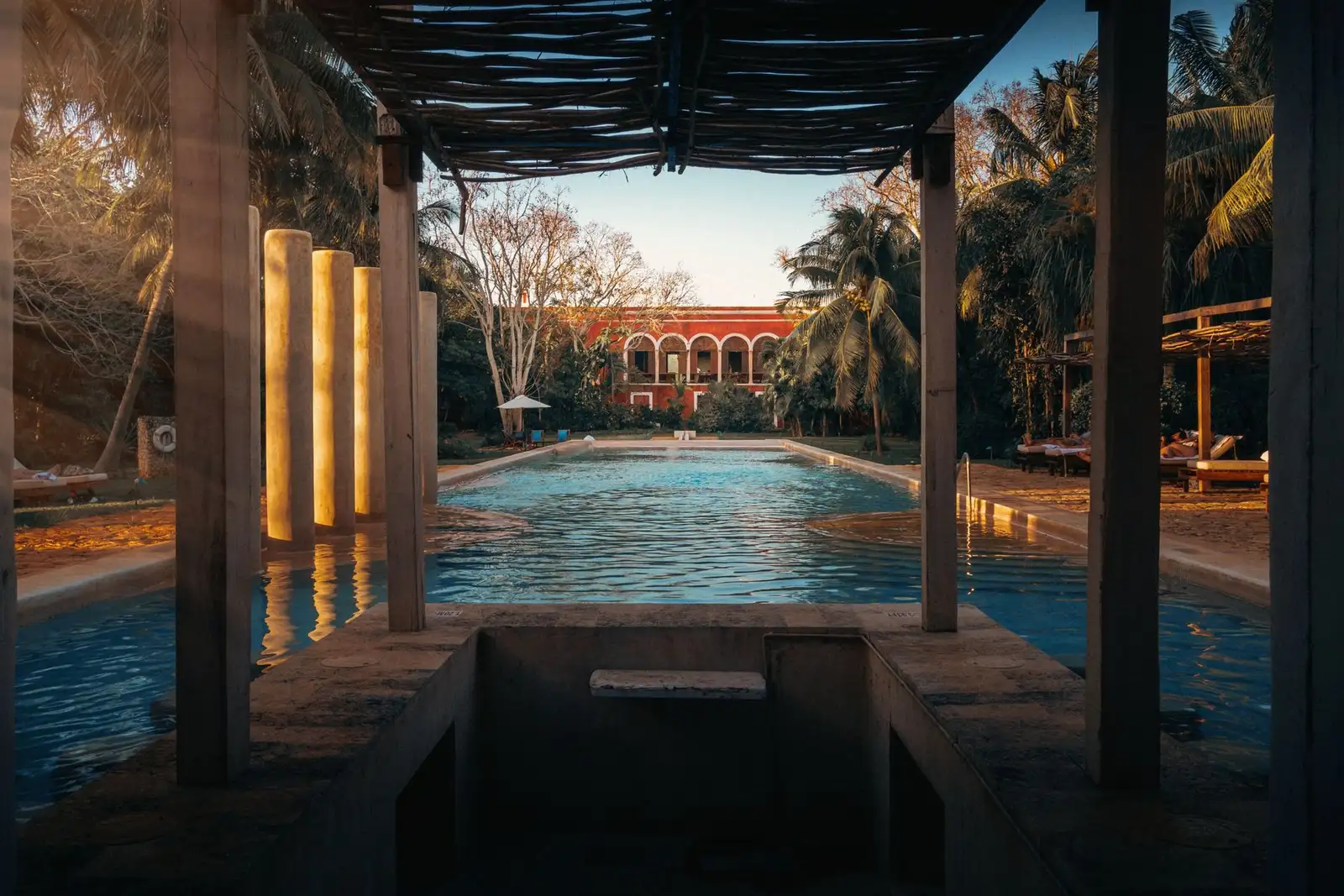

Andalusia does something to a group that a conference hotel in Frankfurt simply cannot. It's not the weather, exactly, or the food, though both help. It's that the region carries enough history and sensory weight that people arrive slightly off-balance in a useful way, more curious, less defended. That's the condition you want for a corporate retreat.
But Andalusia is also a logistical puzzle if you haven't run a group through it before. The distances between Seville, Granada, and Málaga are longer than they look on a map. The Feria de Abril in Seville will eat your hotel inventory in April if you're not booked six months out. And choosing between a 16th-century hacienda and a glass-and-steel resort conference center is not an aesthetic decision, it's a programmatic one that shapes what your retreat can actually do.
This is a working guide. Venue options, capacity details, transfer logistics, and a few hard-won lessons from tech companies that have run groups through the region.
Where to Base Your Retreat: Seville, Granada, or Málaga
The choice of city matters more than most planners acknowledge upfront.
Seville suits leadership retreats and cross-functional gatherings where atmosphere is doing work. The city is walkable in a way that produces accidental conversations, which is exactly what you want from unstructured time. Fly into Seville Airport (SVQ) for groups under 40; for larger groups, Málaga Airport (AGP), a 2.5-hour drive west, often has better international connections and lower fares.
Granada is harder to get to (the nearest major airport is AGP, 130 km away, or Madrid Barajas for some routes), which means it self-selects for groups willing to invest in the journey. That investment tends to pay off. The Alhambra is not a metaphor for anything, it's an extraordinary piece of architecture that generates conversation worth having. A two-hour guided visit before a strategy session is not a distraction; it's a reframe.
Málaga is the logistics-friendly option. AGP handles 20 million passengers a year, has direct connections from most European hubs and several North American cities via connections, and the city has seen a serious upgrade in its corporate hospitality infrastructure since around 2018. It's also the right base if your group is larger than 80 and you need multiple venue options within 30 minutes of each other.
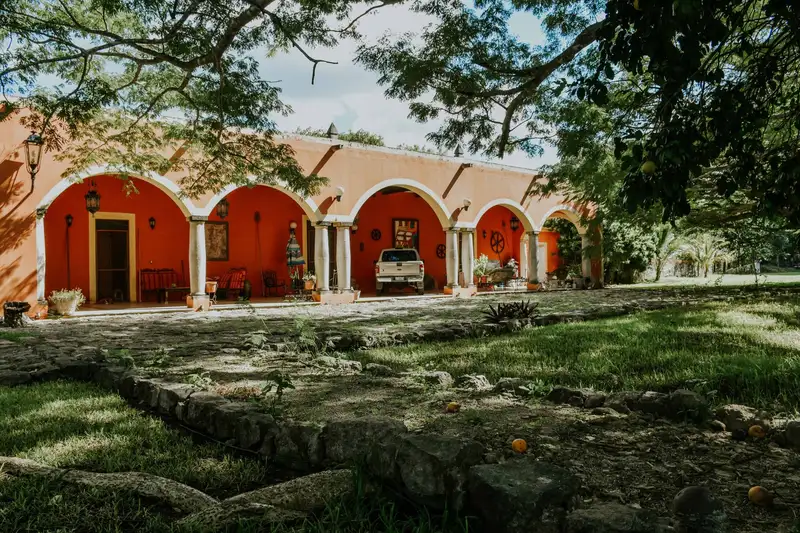
Haciendas Worth Booking
Hacienda Benazuza, Sanlúcar la Mayor (Seville Province)
This is the venue that tends to end the search for groups with the budget and the right group size. Sanlúcar la Mayor is about 20 km west of Seville, not central, but a 25-minute transfer from the city. Hacienda Benazuza dates to the 10th century in its foundations, was converted to a luxury property by elBulli's Ferran Adrià in the 1990s, and has since changed ownership and positioning. The main conference pavilion seats up to 150 theater-style; breakout rooms handle groups of 15–30 comfortably.
The AV setup here is not the venue's strongest point, bluntly. Bring your own AV technician for anything more complex than a standard presentation. The catering, on the other hand, is exceptional, the kitchen sources from the hacienda's own estate and local Aljarafe producers, and the difference shows.
Price range: Full buyout for 50 pax, two nights, runs approximately €1,800–€2,400 per person inclusive of accommodation, meals, and basic meeting room hire. That's what a 2023 booking actually cost, not a brochure estimate.
Hacienda de San Rafael, Las Cabezas de San Juan
Smaller. Maximum 22 guests in accommodation, which means it's right for senior leadership offsites rather than full company retreats. The olive grove setting is quieter than Benazuza, the rooms are better, and the cooking, wood-fired, heavily Andalusian, is the kind that becomes a reference point in conversations for months afterward. Forty minutes southeast of Seville.
No large conference room. If you need a proper meeting setup for more than 25 people, this isn't the venue. If you need a space where eight executives can spend two days making a difficult decision together, it's close to ideal.
Paradores: The Overlooked Category
Paradores are state-owned hotels, often in historic buildings, and the corporate retreat industry consistently underuses them. They're not budget options, a parador in a converted castle or convent runs €150–€300 per room per night, but they offer something the private haciendas rarely match: reliability of service at scale.
Parador de Granada
Inside the Alhambra grounds. Literally inside them. The 15th-century convent building has 40 rooms, a courtyard restaurant that handles private dining for groups, and two meeting rooms that seat up to 60 theater-style. The AV is functional and the staff have run enough corporate groups to understand what planners actually need.
Booking note: this property sells out 8–12 months in advance for spring and autumn dates. If you're reading this in March hoping to book October, call them directly rather than going through a DMC, it's faster.
The symbolic weight of holding a strategy session in a building that has been used for consequential conversations for 600 years is not nothing. Some groups find it distracting; most find it useful.
Parador de Málaga Gibralfaro
On the hill above the city, adjacent to the Castillo de Gibralfaro, with a conference room that seats 80 and a terrace that produces one of the better urban views in southern Spain. The property is smaller than it looks in photos, 38 rooms, which means it works for mid-sized leadership groups rather than full company retreats. The connection to the city center (a 15-minute taxi ride, or a steep 25-minute walk that half your group will attempt once) keeps it from feeling isolated.
Modern Resort Options for Larger Groups
For groups above 80, the hacienda and parador options start to strain. The logistics of feeding 120 people three times a day in a converted 16th-century kitchen become visible in ways that affect morale.
Barceló Málaga
This is not a romantic choice, but it's a competent one for large groups. The conference center handles up to 1,200 theater-style, which means 200-person retreats fit without anyone feeling cramped. The AV infrastructure is properly professional, built-in LED walls, simultaneous translation booths, reliable WiFi that actually holds under load. The hotel is attached to the Málaga Convention Center and is a 10-minute cab from AGP.
The catering is good, not exceptional. The rooms are contemporary business hotel standard. What you're buying here is execution certainty, which has value when you're running 150 people through a two-day program.
Hotel Vincci Selección Posada del Patio, Málaga Old Town
A better option for groups of 40–80 who want the logistics advantages of Málaga with more character than a convention center. The property incorporates a 16th-century Moorish patio into a contemporary structure on Calle Alcazabilla, a five-minute walk from the Picasso Museum. Meeting rooms hold up to 100 theater-style. The rooftop pool area doubles as a reception venue for groups up to 60.
Price range: €180–€280 per room per night depending on season. Meeting room hire runs €800–€1,500 per day for the main space.
Getting Groups There: Transfer Logistics
Málaga Airport is the entry point for most international groups, and the transfer question deserves more attention than it usually gets.
For groups of 20–40, private minibus transfers (two vehicles) from AGP to Seville take approximately 2.5 hours and cost €400–€600 per vehicle. That's a straightforward transfer, not a scenic drive, the A-92 motorway is efficient and unspectacular. Budget the transfer time honestly; it's a significant chunk of day one.
For groups landing at different times, which is almost every group, consider staging transfers rather than holding everyone at the airport. A 90-minute wait at AGP arrivals for a straggling flight damages group energy before the retreat has started. Two transfers, two hours apart, costs more but arrives better.
For groups above 60, a dedicated coach (capacity 55 per vehicle) makes more sense than multiples of smaller vehicles. Coaches on the AGP–Seville route run approximately €650–€900 per vehicle for a one-way transfer.
The train is underused. The Málaga–Seville high-speed route runs about 2 hours and costs €30–€50 per person; for groups of 20–30 who are comfortable with the coordination, it's faster and more interesting than a coach. Groups of 60+ become a train logistics exercise that usually isn't worth it.
Seasonal Considerations
Andalusia has two retreat seasons that work well and two that don't.
October and November are the best months, full stop. Temperatures sit at 20–25°C in Seville and Málaga, the summer crowds are gone, and every venue is available. This is when you book if you have the flexibility.
March and early April work well for Granada, where the city is quieter than the coast. The Alhambra draws fewer visitors on a Tuesday in March than at any point in summer.
Late April and May in Seville means navigating the Feria de Abril. The Feria runs for a week in late April (exact dates shift annually) and transforms the city. Hotel rates double or triple, inventory disappears, and the city's attention is elsewhere. This is not a reason to avoid Seville in spring, the Feria is extraordinary and some groups deliberately time a retreat around it, but it requires booking 9–12 months ahead and budgeting accordingly.
July and August in Seville are functionally untenable for working retreats. Temperatures above 40°C in the afternoon mean outdoor programming is impossible and indoor air conditioning becomes the dominant architectural feature of every venue. Málaga and the coast handle summer better, but the crowds and prices are at their peak.
Building the Agenda: What Works in Andalusia
The most common mistake with Andalusia retreats is treating the cultural context as entertainment rather than as part of the program.
A morning visit to the Alhambra followed by a facilitated session on organizational complexity is not an arbitrary sequence. The Alhambra is a physical demonstration of layered systems, competing priorities, and the tension between functional and aesthetic demands, it gives groups a shared reference point that isn't from their own industry. That's valuable. A flamenco show after dinner, on the other hand, is entertainment. Fine entertainment, but it doesn't produce the conversations a retreat is supposed to generate.
A structure that has worked for tech companies in the region:
Day one: Transfers and arrival. No programming on travel days except a shared dinner. The dinner matters, seat people who don't normally work together, use a long table rather than rounds, and let the Andalusian habit of three-hour meals do its work.
Day two: Morning formal session (strategy, OKRs, whatever the business content is), 90 minutes maximum before a break. Afternoon: a single, well-chosen cultural experience. Not a tour. A workshop with a local ceramicist in the Albaicín neighborhood in Granada, or a guided olive oil tasting at Castillo de Canena's estate in Jaén province (about 90 minutes from Granada), is more useful than a bus tour of six sites. Evening: unstructured time in the city.
Day three: Morning breakout sessions by function or project. Afternoon: either a second cultural experience or full unstructured time, the team will tell you which they need by day two. Structured closing session, 45 minutes, with commitments written down.
The commitments piece is where most retreats fail. Not the agenda, not the venue. The return to work.
ROI Evidence: Two Tech Companies, Real Numbers
These are composites drawn from conversations with retreat planners, with identifying details changed.
Case one: A 45-person product and engineering team from a Berlin-based SaaS company ran a four-day retreat at Hacienda Benazuza in October 2022. Total budget including flights: approximately €2,100 per person. The outcome they were measuring: reduction in cross-team escalations over the 90 days following the retreat. Result: escalations dropped 34% against the prior quarter. The team's own assessment was that two of the informal conversations during unstructured time in Seville had resolved underlying tensions that had been producing escalations for eight months. The venue didn't cause that. The unstructured time did. The venue made the unstructured time feel worth having.
Case two: A 90-person team from a London-based fintech used the Barceló Málaga for a two-day all-hands in March 2023. Budget: €1,400 per person including flights. Measurable outcome: eNPS (employee Net Promoter Score) increased 12 points in the quarterly survey following the retreat. The team cited the Alhambra visit and a shared dinner on the Hotel Vincci rooftop as the two highest-rated experiences. The formal sessions rated lower. That's normal, and it's not a failure of the formal sessions, it means the informal architecture was doing its job.
The ROI question for Andalusia retreats is not whether the region is worth the premium over, say, a Lisbon hotel or a Barcelona conference center. It's whether the texture of the place, the pace, the food, the physical scale of the historic sites, produces a different quality of group experience than a more neutral setting. For most groups, it does. The evidence is in the follow-through rate on commitments made during the retreat, and in whether people reference the retreat six months later when talking about why the team works the way it does.
For more on this, see Partners.
If they do, the venue choice was right. If the retreat is already forgotten by the next quarter planning cycle, no amount of hacienda atmosphere was going to save it.

Comments (0)
No comments yet. Be the first!